
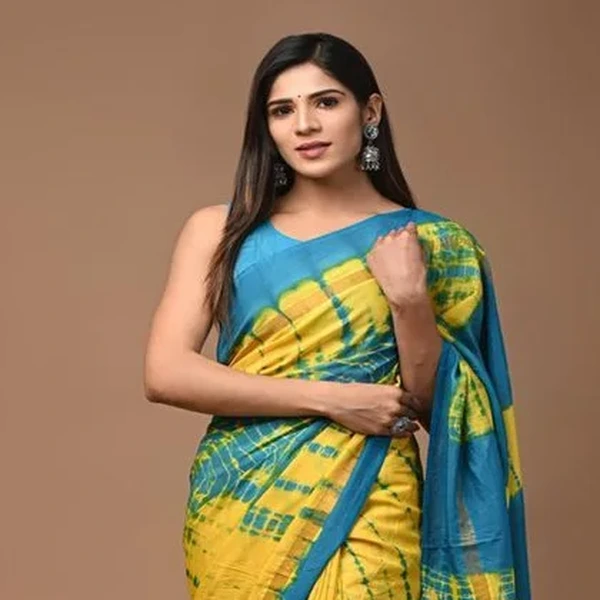
From the fertile riverbanks of the Brahmaputra valley emerges one of the world's rarest and most resilient wild silk traditions: **Assam Silk**. Revered for centuries by the royal Ahom dynasty, authentic Assam silk is celebrated worldwide for its organic golden sheen, astonishing durability that outlasts decades of celebrations, and intricate tribal motifs woven with unmatched precision.
The Holy Trinity of Assam Silk
Unlike conventional domesticated mulberry silks, Assam is home to wild silkworms fed on local flora, yielding three distinct silk varieties:
- Muga Silk: The rarest and most expensive wild silk on earth. Sourced from the endemic Antheraea assamensis silkworm, it possesses an intrinsic glossy golden-amber luster that deepens with every gentle wash, rather than fading.
- Paat (Mulberry) Silk: Brilliant ivory-white silk with a glass-like polished surface, traditionally reserved for Assamese bridal wear and religious ceremonies.
- Eri (Ahimsa) Silk: Spun without boiling the live cocoon, Eri silk has a thermal, wool-like textured matte finish that keeps the wearer warm in winter and cool in summer.
Signature Woven Motifs & Cultural Symbolism
Every authentic Assam silk saree features traditional motifs directly integrated into the weave using extra-weft bamboo needle techniques:
- Kaziranga Peacock & Rhino: Homage to the untamed wilderness of Assam.
- Kingkhab (Royal Peacock Motif): A majestic pattern inherited from Mughal royal artisans depicting two crowned peacocks facing each other.
- Japi (Conical Hat): Symbolic Assamese emblem of respect and warm rural hospitality.
Preserving Your Assam Silk Heirloom
Assam silk’s natural wild protein fibers are exceptionally strong. Wrap your saree in unbleached white muslin cloth, keep cedar balls nearby to repel moisture, and dry-clean periodically to preserve its royal golden glow for generations.